2015年英è¯å››çº§è€ƒè¯•æ¯�日一练(10月20æ—¥)
导读:
在线测试本批《æ¯�日一练》试题,å�¯æŸ¥çœ‹ç”案å�Šè§£æž�,并ä¿�ç•™å�šé¢˜è®°å½• >> 在线å�šé¢˜
- 第1é¡µï¼šç»ƒä¹ è¯•é¢˜
�项选择题
1ã€�阅读下文,回ç”题
It Ain’t Easy Being Green Green stories of hoteIs
A)Over the summer,I stayed at four hotels in the United States. They were all owned by different companies,but they had one thing in common:A little card on the bathroom counter telling me that the establishment was very concerned about the environment,and appealing to me to do my part to help them save the earth by hanging up my wet towels and using them again the next day. Two of the hotels also placed a card next to the bed informing me that housekeeping would not change the sheets unless I left the card on the pillow.
B) It is true that keeping all those towels clean requires all enormous amount of electricity and water and soap,and that cutting down on the number of loads of laundry would be more eco-friendly than my insisting on a new towel each day. But am I a heartless cynic for doubting that a collective environmental anxiety has seized the hotel industry?
C)Here is an alternative explanation:All that water,soap,and electricity costs a lot of money and eats into the hotel’s profits. A little card on the counter telling customers that they won’t get new towels because the hotel doesn’t want to pay for laundry wouldn’t go over very well. But by couching it as a green campaign,the hotels actually get credit for providing less service to their customers,while pocketing the difference.
D)Industry groups that advise hotels on becoming more environmentally friendly tend to stress the money they’ll save just as much as the benefits to the planet. “Why should hotels be green?’’ asks the Green Hotels Association’s Web site “Haven’t you heard? Being green goes directly to your bottom line. �The site explains that by getting guests to recycle towels and sheets,hotels can save 5 percent on utilitybills. “Some days,housekeeping wooers,who usually clean 15 rooms a day,don’t change a single bed,’’said one satisfied hotel owner, who estimates that“70 percent of people staying more than one night participate in the program. �Another member reports that far fewer guests ask for new towels.
E)So let's renew:We give up a nice luxury to save the hotel money;the hotel congratulates itself on being green for peer pressuring us into giving up the luxury under the excuse of environmental consciousness;the hotel keeps the money. Nice work. After all,even if profit is the motive,the net result is a reduction in the hotel’s “carbon footprint�. But here’s what gets me:the hotels I stayed in this summer didn't seem all that interested in being green when it came to other things. The lobby of the big resort was air conditioned to meat locker temperatures. All day lon9,that frosty air rushed out the vast double doors,which were left open in the July heat. The resort also had a fleet of bi9,gas guzzling(耗油)vans idling at the curb to transport guests around the grounds.
Green stories of companies
F)Hotels are not the only offenders in this kind of green fakery. Some companies have embraced conservation for real. They build headquarters with solar panels and rainwater collection systems;they think of the environmental impact of every aspect of their businesses and actually change the way they do things to reduce waste. But this is labor intensive,often expensive,and takes commitment. Faced with that,many corporations take a different approach:They don’t do much of anything to change the way they do business,but make a big show of their contribution to Mother Earth.
G)It’s usually easy to spot these companies:They make their customers do the work, and then take the credit. In the name of saving the planet,my cable TV operator keeps asking for permission to stop sending paper statements in the mail each month. Instead,I'm supposed to check my statement online. The real reason,of course,is that doing so would save them paper, printing and postage. This is a perfectly reasonable reason for them to want me to switch. But when they pretend that it’s all about the environment. It just makes me hate my cable company even more than I already do.
Grin stories of ad campaigns
H)Sometimes a good ad campaign does a better job of enhancing a company’s green reputation than going through the expense and difficulty of adopting actual environmentally sound practices. Billboards in Washington appeal to me to join the cause. “l will unplug Stuff more,�reads one. Another says,“l will at least consider buying a hybrid(��物). �These ads are the work of Chevron,the giant oil company,whose “Will You Join Us?’’ ads try to convince people that saving the planet is at the top of their list. You might think that if Chevron was really worried about problems like global warming,they would spend some of those dollars lobbying Congress to adopt stricter gas mileage(英里数)requirements for automobiles. They do not do this. Instead,I'm apparently supposed to praise them as environmental heroes because they tell me to unplug my toaster and think about getting a Toyota Prius.
I)Yet ad campaigns like these work. Chevron lands at N0. 371 out of 500 companies on Newsweek's green rankings. But it claims the No. 62 spot when it comes to green reputation thanks in part to those pretty,polished ads. Green marketing has also helped Wal-Mart appear kinder and gentler in recent years. To be fair, the retailing giant has done more than redesign its logo. The company,which ranks 59th on Newsweek’s list, has embraced a series of in-house green initiatives and is demanding its suppliers do the same. The result:Wal-Mart scores first place in our reputation survey.
J)Given the power of positive marketing,it’s easy to see why those little towel cards are so popular--enough so that there are now a lot of companies that market them to hotels,along with all manner of products intended to make customers feel good about themselves while helping the hotels feel good about their bank balances. I suppose it is time that I step up and do my part. On behalf of the planet1 will dutifully sleep on day-old sheets. But please,for the love of all that is good and right, keep the towel coming.
注æ„�:æ¤éƒ¨åˆ†è¯•é¢˜è¯·åœ¨ç”题å�¡2上作ç”。
Industry groups tend to emphasize the money hotels can save along with the benefits to the environment when they persuade hotels into being eco-friendly. ·
2�Questionsare based on the following passage.
In recent years, a growing body of research has shown that our appetite and food intake areinfluenced by a large number of factors besides our biological need for energy, including our eatingenvironment and our perception of the food in front of us.
Studies have shown, for instance, that eating in front of the TV (or a similar distraction) canincrease both hunger and the amount of food consumed.Even simple visual cues, like plate size andlighting, have been shown to affect portion size and consumption.
A new study suggested that our short-term memory also may play a role in appetite.Several hoursafter a meal, people's hunger levels were predicted not by how much they'd eaten but rather by howmuch food they'd seen in front of them--in other words, how much they remembered eating.
This disparity (差异) suggests the memory of our previous meal may have a bigger influence on ourappetite than the actual size of the meal, says Jeffrey M.Brunstrom, a professor of experimentalpsychology at the University of Bristol.
"Hunger isn't controlled solely by the physical characteristics of a recent meal.We have identifiedan independent role for memory for that meal," Brunstrom says."This shows that the relationshipbetween hunger and food intake is more complex than we thought."
These findings echo earlier research that suggests our perception of food can sometimes trick ourbody's response to the food itself.In a 2011 study, for instance, people who drank the same 380-calorie(�路里) milkshake on two separate occasions produced different levels of hunger-related hormones (�尔蒙~,), depending on whether the shake's label said it contained 620 or 140 calories.Moreover, theparticipants reported feeling more full when they thought they'd consumed a higher-calorie Shake.
What does this mean for our eating habits? Although it hardly seems practical to trick ourselves intoeating less, the new findings do highlight the benefits of focusing on our food and avoiding TV andmultitasldng while eating.
The so-called mindful-eating strategies can fight distractions and help us control our appetite,Brunstrom says.
What is said to be a factor affecting our appetite and food intake?
A.How we perceive the food we eat.
B.What ingredients the food contains.
C.When we eat our meals.
D.How fast we eat our meals.
3�Questionsare based on the following passage.
Older women who take vitamin D and calcium supplements to prevent broken bones may be taking them in vain, according to leading experts. A U.S. government advisory group found taking typical low doses provided no benefits for average postmenopausal(���的)women.
What is more taking 4OOIU of vitamin D and 1,000mg of calcium daily increased the risk of developing kidney stones. Both nutrients are crucial for building and maintaining strong, healthy bones and specialists advise getting as much as possible from a good diet and exposure to sunlight. If an older person has a vitamin deficiency or bone-thinning osteoporosis (骨质��症), doctors often prescribe higher- than-normal doses. But for otherwise healthy post-menopausal women, adding modest supplements to their diet makes no impact.
It isn't clear if those doses offer bone protection if taken before menopause, or if they help men's
bones, according to the new guidelines from the U.S. Preventive Services Task Force.
It's a confusing message considering that for years, calcium and vitamin D supplements have been widely considered an insurance policy against osteoporosis, with little down-side to taking them. The NHS currently recommends people over 65 take a dally vitamin D pill, although no more than 25 micrograms.
"Regrettably, we don't have as much information as we would like to have about a substance that has been around a long time and we used to think we understood," said Dr. Virginia Moyer of the Baylor College of Medicine, who heads the task force. "Turns out, there's a lot more to learn. " The recommendations are not for people at high risk of weak bones, such as those with a history of bone fractures. These people should consult their local doctor. In the U.S. the average adult is advised to get about 1,000rag of calcium, 1 ,300 for post-menopausal women, every day. For vitamin D, the goal is 600 IUs ofvitamin D daily moving to 800 after age 70. The nutrients can be found in foods including orange juice fortified with calcium: dairy foods such as milk, yogurt and cheese; certain fish including salmon; and fortified breakfast cereals.
It can be learned that taking low doses of vitamin D and calcium supplements will________ to aver- age post-menopausal women.
A.be beneficial
B.bring harm
C.make no difference
D.increase the risk of developing kidney stones
4ã€�å�¬å½•éŸ³,回ç”题
A. Water.
B. Wood.
C. Lye.
D. Oil.
5ã€�æ ¹æ�®æ��料,回ç”问题。
Questions 16 to 18 are based on the passage you have just heard.
A.To explain a new requirement for graduation.
B.To interest students in a community service project.
C.To discuss the problems of elementary school students.
D.To recruit elementary school teachers for a special program.
简ç”题
6ã€�ä¸å›½é«˜é€Ÿçš‡å¡žç¯®ï¼ˆhigh-speed raft)网由ä¸å›½é“�路公å�¸è¿�è�¥ã€‚该é“�路网包括所有商业高速列车è¿�è¡Œæœ�务,邀些列车的时速平å�‡è¾¾200公里或更高。目å‰�ä¸å›½æ‹¥æœ‰å…¨ç�ƒé•¿çš„高é“�线网。è¿�è�¥ä¸çš„线路约9300公里。2012å¹´12月25日,ä¸å›½å�¯åŠ¨ä¸–界上长的线路,该线路从北京至广州,共2298公里。高é“�æœ�务于2007年引进ä¸å›½ã€‚在政府的大力资助下。高é“�线网æ£åœ¨è¿…速扩展。
7ã€� 在ä¸å›½ï¼Œäººä»¬å¯¹ä¸€åˆ‡è‰ºæœ¯çš„艺术,å�³ç”Ÿæ´»çš„艺术,懂得很多。一个较为年轻的国家å�¯èƒ½ä¼šè‡´åŠ›äºŽè¿›æ¥ï¼›ç„¶è€Œä¸€ä¸ªå�¤è€�的文明国度,自然在人生的历程上è§�多识广,她所感兴趣的自然是如何过好生活。就ä¸å›½è€Œè¨€ï¼Œç”±äºŽæœ‰äº†ä¸å›½çš„人文主义精神,把人当作一切事物的ä¸å¿ƒï¼ŒæŠŠäººç±»å¹¸ç¦�当作知识的终结,于是,强调生活的艺术就是更为自然的事情了。但å�³ä½¿æ²¡æœ‰äººæ–‡ä¸»ä¹‰ï¼Œ-个å�¤è€�的文明也一定会有一个ä¸�å�Œçš„价值尺度,å�ªæœ‰è¿™æ ·.它æ‰�会知é�“仟么是“æŒ�久的生活ä¹�趣â€�。任何一个民æ—�,如果它ä¸�知é�“如何享å�—生活,那么,在我们的眼里,这个民æ—�一定是粗野的ã€�ä¸�文明的。
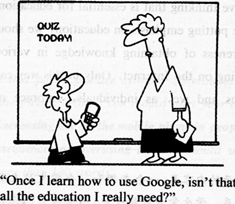
8� Directions: For this part, you are allowed 30 minutes to write a shortessay based on the picture below. You should start your essay with a briefaccount of the impact of the Internet on learning and then explain whyeducation doesn't simply mean learning to obtain information. You shouldwrite at least 120 words but no more than 180 words.
9ã€�ä¿¡æ�¯æŠ€æœ¯(Inforrmtion Technoiogy)m在飞速å�‘展,ä¸å›½å…¬æ°‘也越æ�¥è¶Šé‡�视信æ�¯æŠ€æœ¯ï¼Œæœ‰äº›å¦æ ¡ç”šè‡³å°†ä¿¡æ�¯æŠ€æœ¯ä½œä¸ºå¿…修课程,对这一现象大家æŒ�ä¸�å�Œè§‚点。一部分人认为这是没有必è¦�的,å¦ç”Ÿå°±åº”该å¦ä¹ ä¼ ç»Ÿçš„è¯¾ç¨‹ã€‚å�¦ä¸€éƒ¨åˆ†äººè®¤ä¸ºè¿™æ˜¯åº”该的,ä¸å›½å°±åº”该与时俱进。ä¸�ç®¡æ€Žæ ·ï¼Œä¿¡æ�¯æŠ€æœ¯å¼•èµ·å¹¿å¤§äººæ°‘çš„é‡�视是一件好事。
10ã€�大熊猫是一ç§�温顺的动物,长ç�€ç‹¬ç‰¹çš„é»‘ç™½çš®æ¯›ã€‚å› å…¶æ•°é‡�æž�少,大熊猫已被列为濒å�±ç‰©ç§�。大熊猫对于世界自然基金会有ç�€ç‰¹æ®Šæ„�义。自1961年该基金会æˆ�立以æ�¥ï¼Œå¤§ç†ŠçŒ«å°±ä¸€ç›´æ˜¯å®ƒçš„å¾½æ ‡ã€‚å¤§ç†ŠçŒ«æ˜¯ç†Šç§‘ä¸ç¨€æœ‰çš„æˆ�员,主è¦�生活在ä¸å›½è¥¿å�—部的森林里。目å‰�,世界上大约有1000å�ªå¤§ç†ŠçŒ«ã€‚这些以竹为食的动物æ£é�¢ä¸´è®¸å¤šå¨�èƒ�ã€‚å› æ¤ï¼Œç¡®ä¿�大熊猫的生å˜æ¯”以往更é‡�è¦�。
1ã€�阅读下文,回ç”题
It Ain’t Easy Being Green Green stories of hoteIs
A)Over the summer,I stayed at four hotels in the United States. They were all owned by different companies,but they had one thing in common:A little card on the bathroom counter telling me that the establishment was very concerned about the environment,and appealing to me to do my part to help them save the earth by hanging up my wet towels and using them again the next day. Two of the hotels also placed a card next to the bed informing me that housekeeping would not change the sheets unless I left the card on the pillow.
B) It is true that keeping all those towels clean requires all enormous amount of electricity and water and soap,and that cutting down on the number of loads of laundry would be more eco-friendly than my insisting on a new towel each day. But am I a heartless cynic for doubting that a collective environmental anxiety has seized the hotel industry?
C)Here is an alternative explanation:All that water,soap,and electricity costs a lot of money and eats into the hotel’s profits. A little card on the counter telling customers that they won’t get new towels because the hotel doesn’t want to pay for laundry wouldn’t go over very well. But by couching it as a green campaign,the hotels actually get credit for providing less service to their customers,while pocketing the difference.
D)Industry groups that advise hotels on becoming more environmentally friendly tend to stress the money they’ll save just as much as the benefits to the planet. “Why should hotels be green?’’ asks the Green Hotels Association’s Web site “Haven’t you heard? Being green goes directly to your bottom line. �The site explains that by getting guests to recycle towels and sheets,hotels can save 5 percent on utilitybills. “Some days,housekeeping wooers,who usually clean 15 rooms a day,don’t change a single bed,’’said one satisfied hotel owner, who estimates that“70 percent of people staying more than one night participate in the program. �Another member reports that far fewer guests ask for new towels.
E)So let's renew:We give up a nice luxury to save the hotel money;the hotel congratulates itself on being green for peer pressuring us into giving up the luxury under the excuse of environmental consciousness;the hotel keeps the money. Nice work. After all,even if profit is the motive,the net result is a reduction in the hotel’s “carbon footprint�. But here’s what gets me:the hotels I stayed in this summer didn't seem all that interested in being green when it came to other things. The lobby of the big resort was air conditioned to meat locker temperatures. All day lon9,that frosty air rushed out the vast double doors,which were left open in the July heat. The resort also had a fleet of bi9,gas guzzling(耗油)vans idling at the curb to transport guests around the grounds.
Green stories of companies
F)Hotels are not the only offenders in this kind of green fakery. Some companies have embraced conservation for real. They build headquarters with solar panels and rainwater collection systems;they think of the environmental impact of every aspect of their businesses and actually change the way they do things to reduce waste. But this is labor intensive,often expensive,and takes commitment. Faced with that,many corporations take a different approach:They don’t do much of anything to change the way they do business,but make a big show of their contribution to Mother Earth.
G)It’s usually easy to spot these companies:They make their customers do the work, and then take the credit. In the name of saving the planet,my cable TV operator keeps asking for permission to stop sending paper statements in the mail each month. Instead,I'm supposed to check my statement online. The real reason,of course,is that doing so would save them paper, printing and postage. This is a perfectly reasonable reason for them to want me to switch. But when they pretend that it’s all about the environment. It just makes me hate my cable company even more than I already do.
Grin stories of ad campaigns
H)Sometimes a good ad campaign does a better job of enhancing a company’s green reputation than going through the expense and difficulty of adopting actual environmentally sound practices. Billboards in Washington appeal to me to join the cause. “l will unplug Stuff more,�reads one. Another says,“l will at least consider buying a hybrid(��物). �These ads are the work of Chevron,the giant oil company,whose “Will You Join Us?’’ ads try to convince people that saving the planet is at the top of their list. You might think that if Chevron was really worried about problems like global warming,they would spend some of those dollars lobbying Congress to adopt stricter gas mileage(英里数)requirements for automobiles. They do not do this. Instead,I'm apparently supposed to praise them as environmental heroes because they tell me to unplug my toaster and think about getting a Toyota Prius.
I)Yet ad campaigns like these work. Chevron lands at N0. 371 out of 500 companies on Newsweek's green rankings. But it claims the No. 62 spot when it comes to green reputation thanks in part to those pretty,polished ads. Green marketing has also helped Wal-Mart appear kinder and gentler in recent years. To be fair, the retailing giant has done more than redesign its logo. The company,which ranks 59th on Newsweek’s list, has embraced a series of in-house green initiatives and is demanding its suppliers do the same. The result:Wal-Mart scores first place in our reputation survey.
J)Given the power of positive marketing,it’s easy to see why those little towel cards are so popular--enough so that there are now a lot of companies that market them to hotels,along with all manner of products intended to make customers feel good about themselves while helping the hotels feel good about their bank balances. I suppose it is time that I step up and do my part. On behalf of the planet1 will dutifully sleep on day-old sheets. But please,for the love of all that is good and right, keep the towel coming.
注æ„�:æ¤éƒ¨åˆ†è¯•é¢˜è¯·åœ¨ç”题å�¡2上作ç”。
Industry groups tend to emphasize the money hotels can save along with the benefits to the environment when they persuade hotels into being eco-friendly. ·
2�Questionsare based on the following passage.
In recent years, a growing body of research has shown that our appetite and food intake areinfluenced by a large number of factors besides our biological need for energy, including our eatingenvironment and our perception of the food in front of us.
Studies have shown, for instance, that eating in front of the TV (or a similar distraction) canincrease both hunger and the amount of food consumed.Even simple visual cues, like plate size andlighting, have been shown to affect portion size and consumption.
A new study suggested that our short-term memory also may play a role in appetite.Several hoursafter a meal, people's hunger levels were predicted not by how much they'd eaten but rather by howmuch food they'd seen in front of them--in other words, how much they remembered eating.
This disparity (差异) suggests the memory of our previous meal may have a bigger influence on ourappetite than the actual size of the meal, says Jeffrey M.Brunstrom, a professor of experimentalpsychology at the University of Bristol.
"Hunger isn't controlled solely by the physical characteristics of a recent meal.We have identifiedan independent role for memory for that meal," Brunstrom says."This shows that the relationshipbetween hunger and food intake is more complex than we thought."
These findings echo earlier research that suggests our perception of food can sometimes trick ourbody's response to the food itself.In a 2011 study, for instance, people who drank the same 380-calorie(�路里) milkshake on two separate occasions produced different levels of hunger-related hormones (�尔蒙~,), depending on whether the shake's label said it contained 620 or 140 calories.Moreover, theparticipants reported feeling more full when they thought they'd consumed a higher-calorie Shake.
What does this mean for our eating habits? Although it hardly seems practical to trick ourselves intoeating less, the new findings do highlight the benefits of focusing on our food and avoiding TV andmultitasldng while eating.
The so-called mindful-eating strategies can fight distractions and help us control our appetite,Brunstrom says.
What is said to be a factor affecting our appetite and food intake?
A.How we perceive the food we eat.
B.What ingredients the food contains.
C.When we eat our meals.
D.How fast we eat our meals.
3�Questionsare based on the following passage.
Older women who take vitamin D and calcium supplements to prevent broken bones may be taking them in vain, according to leading experts. A U.S. government advisory group found taking typical low doses provided no benefits for average postmenopausal(���的)women.
What is more taking 4OOIU of vitamin D and 1,000mg of calcium daily increased the risk of developing kidney stones. Both nutrients are crucial for building and maintaining strong, healthy bones and specialists advise getting as much as possible from a good diet and exposure to sunlight. If an older person has a vitamin deficiency or bone-thinning osteoporosis (骨质��症), doctors often prescribe higher- than-normal doses. But for otherwise healthy post-menopausal women, adding modest supplements to their diet makes no impact.
It isn't clear if those doses offer bone protection if taken before menopause, or if they help men's
bones, according to the new guidelines from the U.S. Preventive Services Task Force.
It's a confusing message considering that for years, calcium and vitamin D supplements have been widely considered an insurance policy against osteoporosis, with little down-side to taking them. The NHS currently recommends people over 65 take a dally vitamin D pill, although no more than 25 micrograms.
"Regrettably, we don't have as much information as we would like to have about a substance that has been around a long time and we used to think we understood," said Dr. Virginia Moyer of the Baylor College of Medicine, who heads the task force. "Turns out, there's a lot more to learn. " The recommendations are not for people at high risk of weak bones, such as those with a history of bone fractures. These people should consult their local doctor. In the U.S. the average adult is advised to get about 1,000rag of calcium, 1 ,300 for post-menopausal women, every day. For vitamin D, the goal is 600 IUs ofvitamin D daily moving to 800 after age 70. The nutrients can be found in foods including orange juice fortified with calcium: dairy foods such as milk, yogurt and cheese; certain fish including salmon; and fortified breakfast cereals.
It can be learned that taking low doses of vitamin D and calcium supplements will________ to aver- age post-menopausal women.
A.be beneficial
B.bring harm
C.make no difference
D.increase the risk of developing kidney stones
4ã€�å�¬å½•éŸ³,回ç”题
A. Water.
B. Wood.
C. Lye.
D. Oil.
5ã€�æ ¹æ�®æ��料,回ç”问题。
Questions 16 to 18 are based on the passage you have just heard.
A.To explain a new requirement for graduation.
B.To interest students in a community service project.
C.To discuss the problems of elementary school students.
D.To recruit elementary school teachers for a special program.
简ç”题
6ã€�ä¸å›½é«˜é€Ÿçš‡å¡žç¯®ï¼ˆhigh-speed raft)网由ä¸å›½é“�路公å�¸è¿�è�¥ã€‚该é“�路网包括所有商业高速列车è¿�è¡Œæœ�务,邀些列车的时速平å�‡è¾¾200公里或更高。目å‰�ä¸å›½æ‹¥æœ‰å…¨ç�ƒé•¿çš„高é“�线网。è¿�è�¥ä¸çš„线路约9300公里。2012å¹´12月25日,ä¸å›½å�¯åŠ¨ä¸–界上长的线路,该线路从北京至广州,共2298公里。高é“�æœ�务于2007年引进ä¸å›½ã€‚在政府的大力资助下。高é“�线网æ£åœ¨è¿…速扩展。
7ã€� 在ä¸å›½ï¼Œäººä»¬å¯¹ä¸€åˆ‡è‰ºæœ¯çš„艺术,å�³ç”Ÿæ´»çš„艺术,懂得很多。一个较为年轻的国家å�¯èƒ½ä¼šè‡´åŠ›äºŽè¿›æ¥ï¼›ç„¶è€Œä¸€ä¸ªå�¤è€�的文明国度,自然在人生的历程上è§�多识广,她所感兴趣的自然是如何过好生活。就ä¸å›½è€Œè¨€ï¼Œç”±äºŽæœ‰äº†ä¸å›½çš„人文主义精神,把人当作一切事物的ä¸å¿ƒï¼ŒæŠŠäººç±»å¹¸ç¦�当作知识的终结,于是,强调生活的艺术就是更为自然的事情了。但å�³ä½¿æ²¡æœ‰äººæ–‡ä¸»ä¹‰ï¼Œ-个å�¤è€�的文明也一定会有一个ä¸�å�Œçš„价值尺度,å�ªæœ‰è¿™æ ·.它æ‰�会知é�“仟么是“æŒ�久的生活ä¹�趣â€�。任何一个民æ—�,如果它ä¸�知é�“如何享å�—生活,那么,在我们的眼里,这个民æ—�一定是粗野的ã€�ä¸�文明的。
8� Directions: For this part, you are allowed 30 minutes to write a shortessay based on the picture below. You should start your essay with a briefaccount of the impact of the Internet on learning and then explain whyeducation doesn't simply mean learning to obtain information. You shouldwrite at least 120 words but no more than 180 words.
9ã€�ä¿¡æ�¯æŠ€æœ¯(Inforrmtion Technoiogy)m在飞速å�‘展,ä¸å›½å…¬æ°‘也越æ�¥è¶Šé‡�视信æ�¯æŠ€æœ¯ï¼Œæœ‰äº›å¦æ ¡ç”šè‡³å°†ä¿¡æ�¯æŠ€æœ¯ä½œä¸ºå¿…修课程,对这一现象大家æŒ�ä¸�å�Œè§‚点。一部分人认为这是没有必è¦�的,å¦ç”Ÿå°±åº”该å¦ä¹ ä¼ ç»Ÿçš„è¯¾ç¨‹ã€‚å�¦ä¸€éƒ¨åˆ†äººè®¤ä¸ºè¿™æ˜¯åº”该的,ä¸å›½å°±åº”该与时俱进。ä¸�ç®¡æ€Žæ ·ï¼Œä¿¡æ�¯æŠ€æœ¯å¼•èµ·å¹¿å¤§äººæ°‘çš„é‡�视是一件好事。
10ã€�大熊猫是一ç§�温顺的动物,长ç�€ç‹¬ç‰¹çš„é»‘ç™½çš®æ¯›ã€‚å› å…¶æ•°é‡�æž�少,大熊猫已被列为濒å�±ç‰©ç§�。大熊猫对于世界自然基金会有ç�€ç‰¹æ®Šæ„�义。自1961年该基金会æˆ�立以æ�¥ï¼Œå¤§ç†ŠçŒ«å°±ä¸€ç›´æ˜¯å®ƒçš„å¾½æ ‡ã€‚å¤§ç†ŠçŒ«æ˜¯ç†Šç§‘ä¸ç¨€æœ‰çš„æˆ�员,主è¦�生活在ä¸å›½è¥¿å�—部的森林里。目å‰�,世界上大约有1000å�ªå¤§ç†ŠçŒ«ã€‚这些以竹为食的动物æ£é�¢ä¸´è®¸å¤šå¨�èƒ�ã€‚å› æ¤ï¼Œç¡®ä¿�大熊猫的生å˜æ¯”以往更é‡�è¦�。
相关推�
课程�费试�
| ¿Î³ÌרҵÃû³Æ | ½²Ê¦ | Ô¼Û/ÓÅ»Ý¼Û | Ãâ·ÑÌåÑé | ±¨Ãû |
|---|---|---|---|---|
| ¡¶´óѧӢÓïËļ¶¡·¾«Æ·°à£¨°üÀ¨Óï·¨¡¢´Ê»ã¡¢·Ò룩 | ¶¡Ñ©Ã÷ | £¤100 / £¤100 |  |
±¨Ãû |
| ¡¶´óѧӢÓïËļ¶¡·¾«Æ·°à£¨ÔĶÁÀí½â£© | ¶¡Ñ©Ã÷ | £¤100 / £¤100 | |
±¨Ãû |
| ¡¶´óѧӢÓïËļ¶¡·¾«Æ·°à£¨ÌýÁ¦£© | ¶¡Ñ©Ã÷ | £¤100 / £¤100 | |
±¨Ãû |
| ¡¶´óѧӢÓïËļ¶¡·¾«Æ·°à£¨Ð´×÷£© | ¶¡Ñ©Ã÷ | £¤100 / £¤100 | |
±¨Ãû |
çƒç‚¹ä¸“题